Imagine a world where the shadow of cancer shrinks, where early detection transforms anxiety into proactive care. That's the future Abbott seems to be betting on with its planned $23 billion acquisition of Exact Sciences. It's not just a business deal; it's a massive investment in a future where preventative care triumphs over reactive treatment.
Exact Sciences, the company behind Cologuard, has already made waves with its non-invasive approach to colorectal cancer screening. Sure, Cologuard isn't perfect – it sometimes flags false positives. But the newly FDA-approved Cologuard Plus reduces those false positives by nearly 40%, and that’s a major leap! Think of it like this: we're moving from blurry, black-and-white X-rays to high-definition MRIs in the fight against cancer. This acquisition feels like Abbott is saying, "We believe in this vision, and we're going all in."
And let's be clear, colorectal cancer is a HUGE problem. It's the second leading cause of cancer-related death in the US. So, anything that makes screening easier and more accurate is a massive win for public health.
What I find really fascinating is the potential for synergy here. Abbott, a giant in the diagnostics world, brings resources and global reach. Exact Sciences brings innovation and a laser focus on cancer detection. Combining those strengths? That could be explosive.
The Madison, Wisconsin, business community seems to agree. The Greater Madison Chamber of Commerce is hailing Abbott's investment as the largest in the region's history, and a validation of their status as a life sciences hub. It’s as if the entire city is holding its breath, excited to see what this partnership will create.
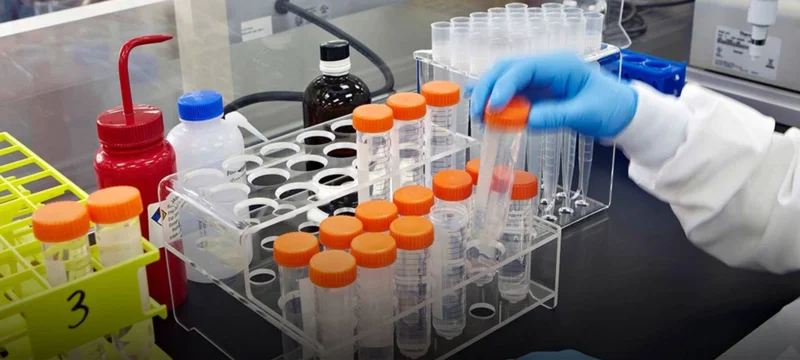
One thing that really struck me is that Abbott's acquisition will help offset revenue declines from their COVID-19 testing kits. It's a smart move – pivoting from a reactive approach (testing for an existing illness) to a proactive one (screening to prevent illness). It's a sign that Abbott is thinking long-term, about the future of healthcare, and that’s incredibly exciting.
This deal isn't just about numbers on a spreadsheet, it is about improving human lives. It’s about empowering people to take control of their health, to catch cancer early, and to live longer, healthier lives. And who knows, maybe this is just the beginning. Maybe this acquisition will pave the way for even more innovative cancer screening technologies, for a future where cancer is no longer a death sentence, but a manageable condition. What if we could detect other cancers with similar non-invasive tests? What if we could personalize cancer treatment based on the unique genetic makeup of each patient?
Of course, with great power comes great responsibility. As we develop more sophisticated diagnostic tools, we need to ensure that they are accessible to everyone, regardless of their income or location. We need to address the ethical implications of genetic testing and personalized medicine. And we need to be mindful of the potential for false positives and overdiagnosis.
But even with these challenges, I can't help but feel optimistic. This acquisition is a sign that the future of healthcare is bright, that we are on the cusp of a new era of preventative care.
I believe this move has the potential to save countless lives. It’s a bold step, a $23 billion leap of faith into a future where cancer is detected earlier, treated more effectively, and feared a little less. And honestly, when I think about the potential impact, I get chills.