[Generated Title]: Macao's Media Shutdown: A Dark Day, But Not the End of the Story
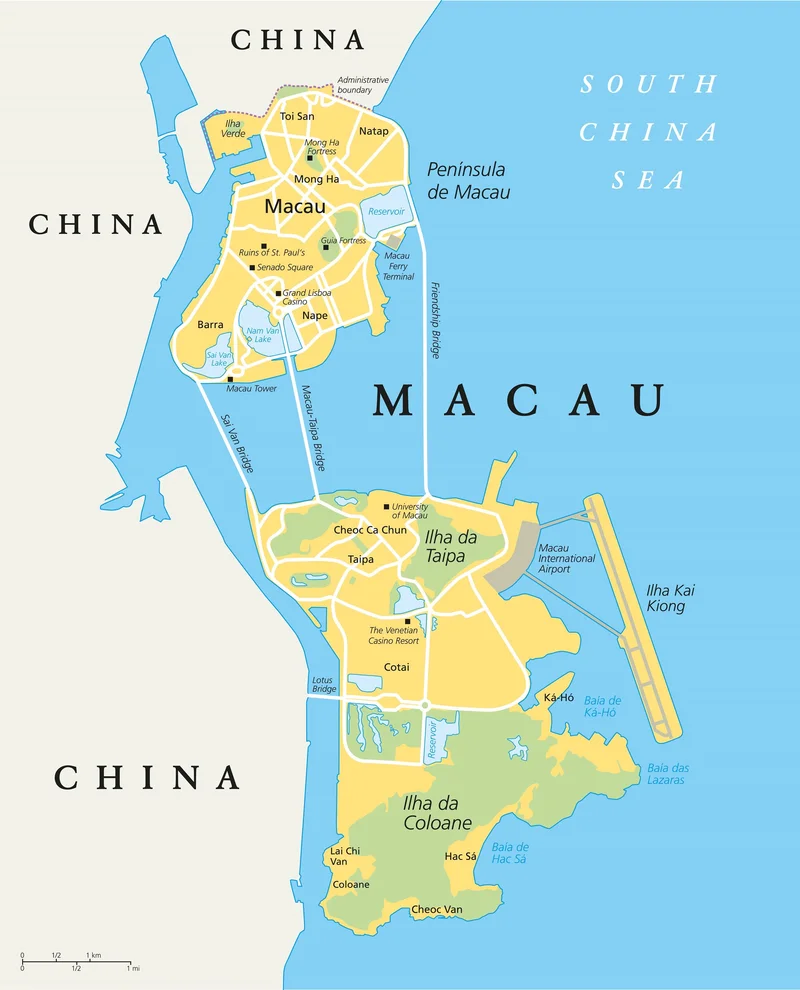
Okay, folks, let's talk about Macao. I know, I know—it's not exactly the kind of topic that usually gets me jazzed up. But sometimes, it's the grim stuff that forces us to confront what we really believe in, right? And this situation with All About Macao…it's a gut punch. A 15-year-old independent media outlet, forced to close its doors because of increasing government pressure. Arrested reporters, revoked media registration, the whole nine yards. It’s tough to swallow.
Beh Lih Yi from the Committee to Protect Journalists called it “a setback for press freedom.” Maya Wang at Human Rights Watch sees it as “broadening repression radiating from China.” And honestly? They're not wrong. The EU even chimed in, condemning the arrest of Au Kam San. This isn't just some local squabble; this is a canary in the coal mine, folks.
Macao, handed over to Chinese rule back in '99, has been slowly tightening the screws. Anti-sedition legislation in 2009, crushing solidarity protests during the Hong Kong unrest, barring "unpatriotic" individuals from elections…it's a pattern, isn't it? It's like watching a slow-motion train wreck, only the train is freedom of speech. And the really scary part? It feels…familiar. We've seen this playbook before, haven't we? What it feels like is a game of whack-a-mole, where every time independent media pops up, the government comes down harder. I mean, look at what happened with Stand News editors being jailed, or Jimmy Lai potentially facing life in prison. It's chilling.
And, honestly, it hits me hard. When I see these things, it just reminds me why I got into this field in the first place, because without truth, there is no progress.
Here's the thing, though: shutting down a media outlet doesn't shut down the human spirit. It doesn't erase the desire for truth. It might drive it underground, sure. It might make it harder to find, absolutely. But it doesn't kill it.
Think about the printing press. Remember when that thing came along and suddenly information wasn't just for the elite anymore? It was messy, it was chaotic, and the powers that be hated it. They tried to control it, to censor it, to shut it down. But they couldn't. The genie was out of the bottle.
And that's what this reminds me of. Information wants to be free. It's like water—finds a way to seep through the cracks, to erode the barriers, to eventually break through.
The question, though, is how can we ensure that? How do we create a world where independent journalism can not just survive, but thrive, even in the face of such intense pressure? That's the million-dollar question, isn't it?
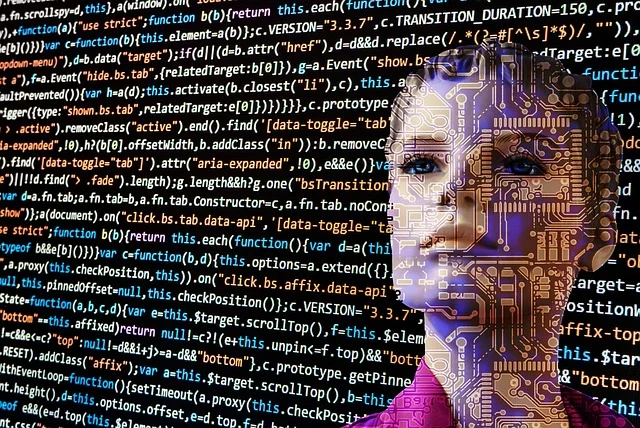
All About Macao itself said the government pressure hurt their ability to get sponsors and donations. So, what if we build decentralized, un-censorable funding platforms? What if we create encrypted communication networks that make it impossible for governments to track journalists and their sources? What if we use AI to automatically translate and disseminate information across borders, bypassing censorship firewalls?
I'm not saying it'll be easy. I'm not saying it'll happen overnight. But I am saying that it's possible. We have the tools, we have the technology, and, most importantly, we have the will. We just need to connect the dots.
Now, I know some of you might be thinking, "Aris, you're being naive. This is a losing battle." And maybe you're right. Maybe the forces of oppression are too strong. But I refuse to believe that. I refuse to believe that human beings are inherently willing to be silenced. I refuse to believe that the desire for truth can be extinguished.
I saw a comment on Reddit the other day that gave me hope. Someone said, "They can shut down the news, but they can't shut down the questions." And that's it, isn't it? As long as we keep asking questions, as long as we keep seeking answers, as long as we keep demanding transparency, we're keeping the flame alive.
And yeah, there's always a moment of ethical consideration we must keep in mind: how do we ensure these tools are used for good, not for ill? How do we prevent the spread of misinformation and propaganda? These are crucial questions, and we need to address them head-on.
Look, this situation in Macao sucks. There's no sugarcoating it. But it's not the end of the story. It's a call to action. It's a reminder that the fight for freedom of speech is never truly over. And as long as there are people willing to stand up, to speak out, to ask questions, there's always hope. We must keep finding new ways to support independent journalism, to protect journalists, and to ensure that the truth, no matter how uncomfortable, continues to see the light of day. Because a world without truth is a world without hope. And that's a world I refuse to accept.